
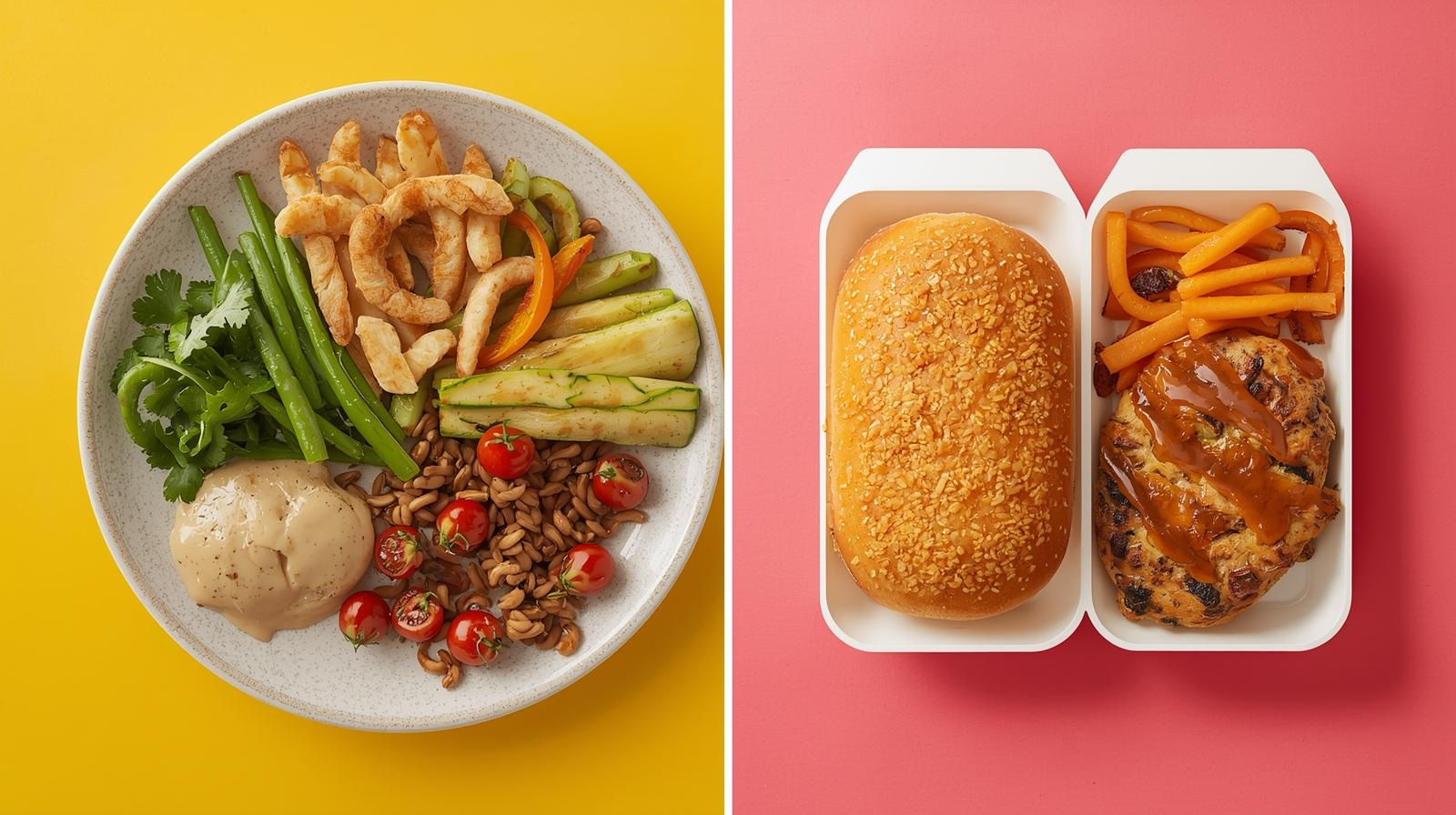
Convenience foods often seem like a win at first. They’re inexpensive, easy to prepare, and—let’s be honest—delicious.
When we first set up our own households, it can be fun to stock the freezer and pantry with quick, tasty options. We might still cook whole foods most nights, but having something fast on hand feels like freedom.
Over time, though, things tend to shift.
Those “every now and then” meals become most nights. We start craving those foods and feel like we can’t go without them. A few extra pounds show up, our energy drops, and brain fog quietly creeps in. Now the idea of cooking a meal from whole foods feels overwhelming—and expensive.
So how do we break the cycle?
How do we lose the extra weight, but more importantly, regain our energy and mental clarity?
The answer is simpler than it sounds: one dish at a time.
Instead of frozen French fries, try fresh potatoes.
Swap canned vegetables for fresh or frozen ones.
Rather than buying a jar of applesauce, pick up a bag of apples and make your own apple dish. If that’s giving up too much, why not just add a fresh component to your meal. Just be sure that you eat whatever fresh item you made first and then the balance of your meal.
The hardest part is starting.
Many convenience foods are designed to stay “fresh” and taste irresistible, but those same additives can affect how we feel—physically and mentally. Planning an entire meal may feel exhausting, so don’t start there. Start with just one dish. As that becomes easier, you can slowly expand until more of your meals are made from whole foods rather than processed ones.
This gradual approach applies to your budget, too. The shift doesn’t need to be all at once. You may even find that you spend about the same. Convenience foods often contain empty calories that leave you feeling hungry and unsatisfied. Whole foods—especially fruits and vegetables—tend to be more filling and nourishing, helping your body feel truly satisfied.
After a few months, many people notice less brain fog and more energy. Add in a few other free practices—like journaling, meditation, or light movement—and you may see improvements in your overall mental well-being as well.
Just as the weight slowly went on, you can begin to see progress there, too.
In the long run, convenience foods often cost far more than we realize. The health issues that can come with a highly processed diet can impact both your quality of life and your wallet. Not to mention the memories lost when you don’t feel well enough to fully participate in your own life.
For me, once my kids left the house and I was cooking for just my husband and myself, it felt “easier” to eat out or make quick meals. Slowly, my energy drained away. The brain fog was real—I couldn’t stay focused, and cooking (let alone exercising) felt impossible.
Little by little, I returned to my healthier eating roots. I’ve even chosen to switch to organic fruits, vegetables, and dairy, and I’m more mindful about the meats and products I buy—including personal care and cleaning items.
You—and only you—get to decide when to make a change and how big that change should be. What feels right today may not be what feels right six months from now, and that’s okay. Growth is part of the journey, and allowing ourselves that flexibility helps keep life—and health—balanced.