
We all know what we’re supposed to do — eat better, move more, take care of ourselves.
So why does it often feel so hard to actually follow through?
Are we lacking discipline? Are we weak?
I don’t believe that’s the case.
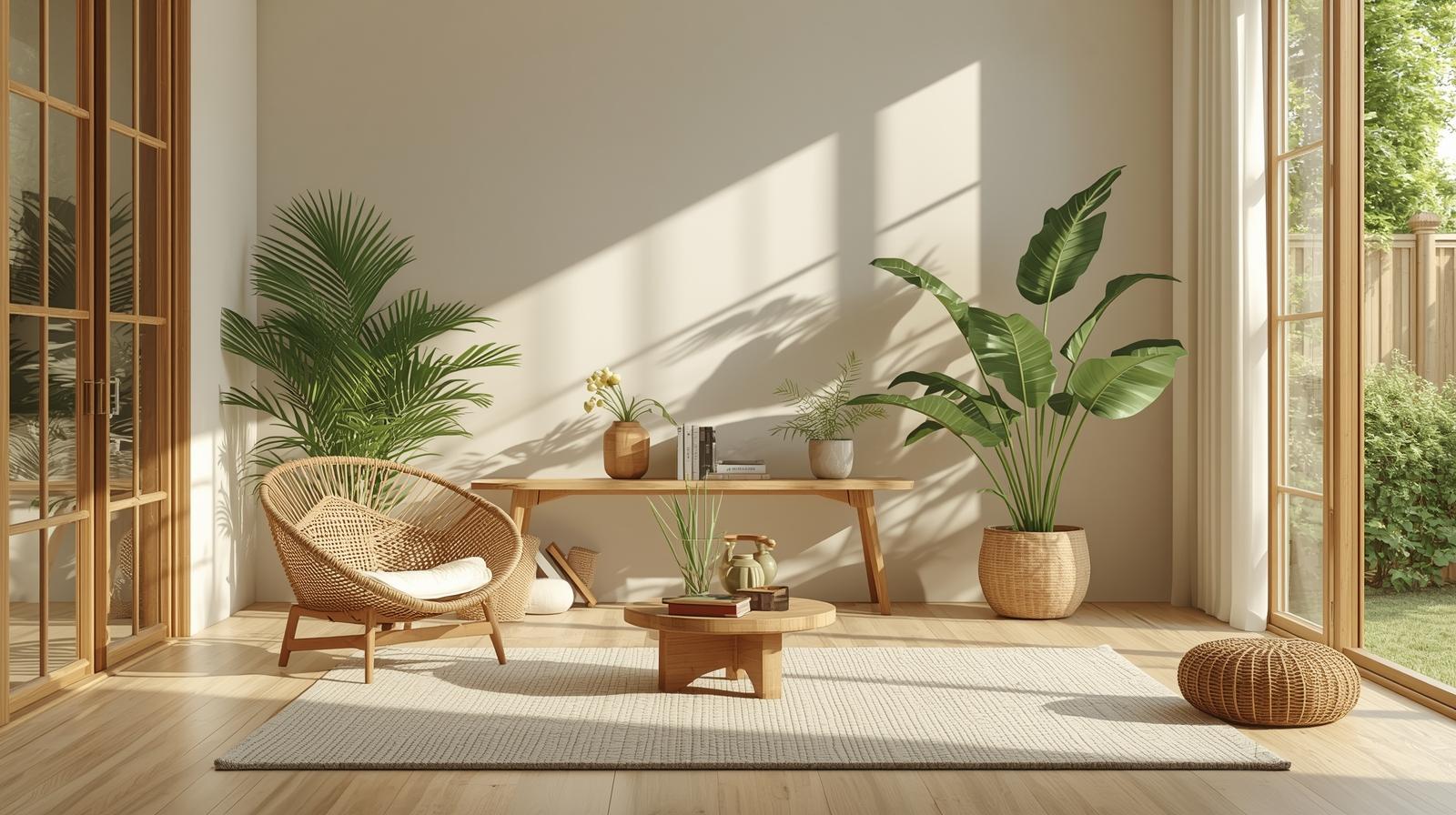
More and more, I’ve come to believe that environment plays a much bigger role than willpower in the choices we make — especially in moments when we’re tired, stressed, or overwhelmed.
In long-living communities often referred to as Blue Zones, health isn’t built on constant motivation or strict routines. Instead, daily life is structured in a way that gently supports healthier choices. Not perfectly — just consistently.
So rather than trying to “be better,” I’ve started asking myself a different question: How can I shape my environment so better choices feel easier — even on my weakest days?
Sometimes that looks like a little planning. Not rigid planning — just thoughtful preparation. Taking time once a week or even once a month to think about a couple of meals options, a few snack ideas, or a few ways to move can make a real difference over time.
Our environment influences us more than we realize. At the grocery store, less nourishing foods are often placed right at eye level, wrapped in bright packaging, and labeled to sound healthier than they are. Reading labels in the moment can feel overwhelming. But taking a few minutes at home to look over the ingredients in your go-to products — and deciding which ones you truly want in your cupboard — puts that choice back in your hands.
Meals themselves can also be structured differently. When we eat out, salads often come before the entrée. Why not borrow that idea at home? Starting with vegetables, then moving on to protein, and finally carbohydrates can naturally shift how much we eat — without feeling restrictive.
Even the size of our plates matters. Larger plates encourage larger portions, and most of us don’t like to waste food. Using smaller plates, slowing down, or serving one item at a time can help us tune in to fullness instead of eating out of habit.
The same concept applies to movement. In many long-living cultures, movement isn’t scheduled or forced — it’s simply part of daily life. It might be a walk after a meal, riding a bike, or doing something enjoyable with others. When movement brings joy, it becomes something we return to, not something we avoid.
And finally, there’s our inner environment. Reflection, prayer, meditation, or quiet gratitude often gets reserved for once a week — if that. But even a few minutes a day to pause, reflect, and reconnect with what matters most can gently shift how we move through the rest of our day.
For me, this has been the heart of the journey:
not doing everything at once,
not relying on willpower,
but slowly creating an environment — inside and out — that supports the life I want to live.
What small step could you take today to begin creating your own Balanced Journey?